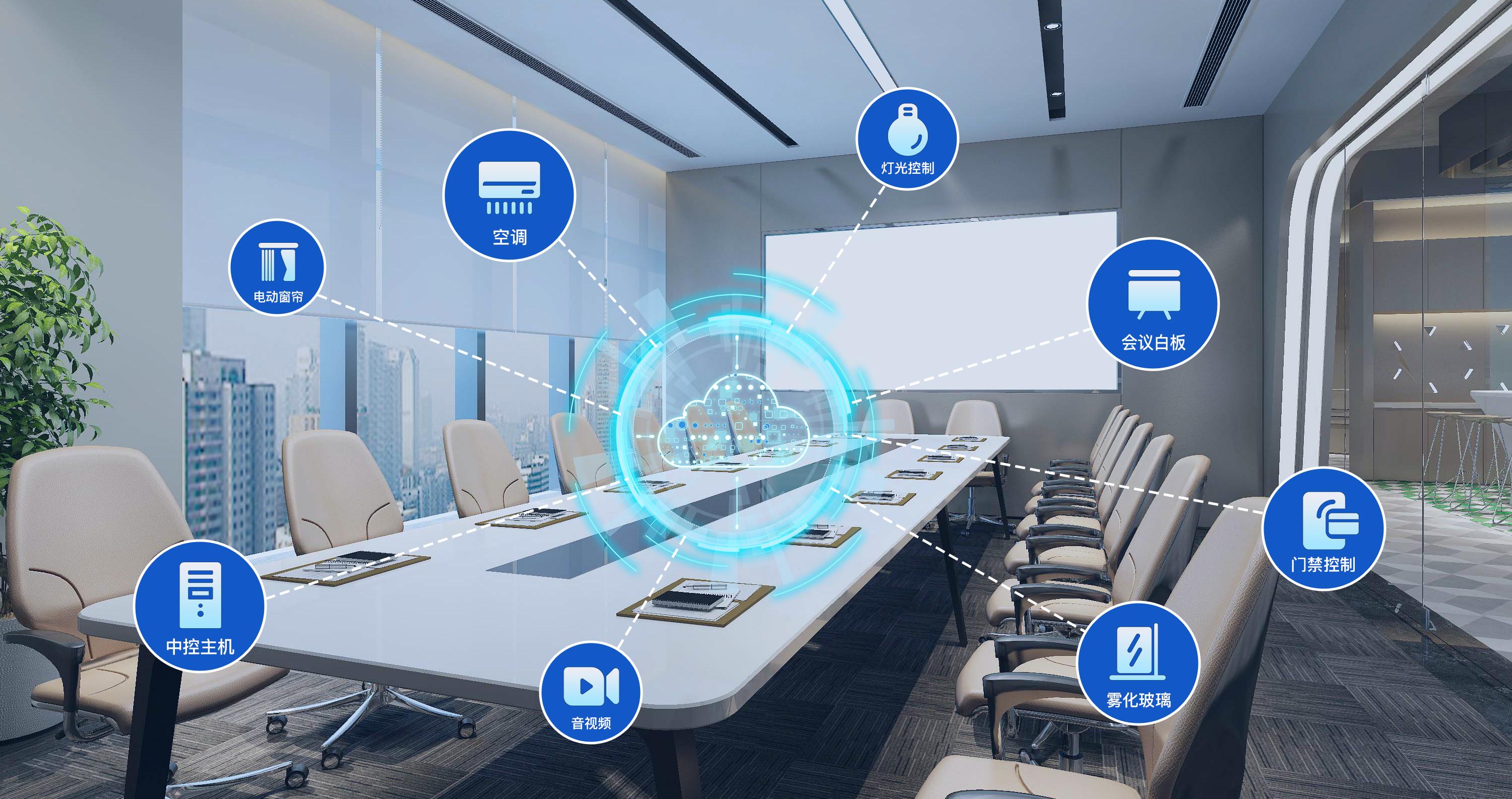
Smart Building with IoT: How IoT Improves Efficiency, Safety, and Comfort
Learn how IoT technologies help building operators monitor facilities, automate selected systems, optimize energy usage, and impro...
Read more
IoT Asset Tracking: How to Monitor Assets in Real Time
Businesses often manage hundreds or thousands of assets across warehouses, manufacturing facilities, offices, and logistics operations.
Without an effective tracking process, finding equipment, checking asset availability, and understanding asset movement can become time-consuming.
IoT Asset Tracking provides a connected approach to asset visibility by combining tracking devices, wireless communication, data processing, and monitoring applications.
IoT Asset Tracking is the use of connected technologies to collect and monitor information about physical assets.
Depending on the solution, an asset may be equipped with a BLE beacon, RFID tag, GPS tracker, or another identification device.
The system collects information from these devices and makes it available through a centralized platform.
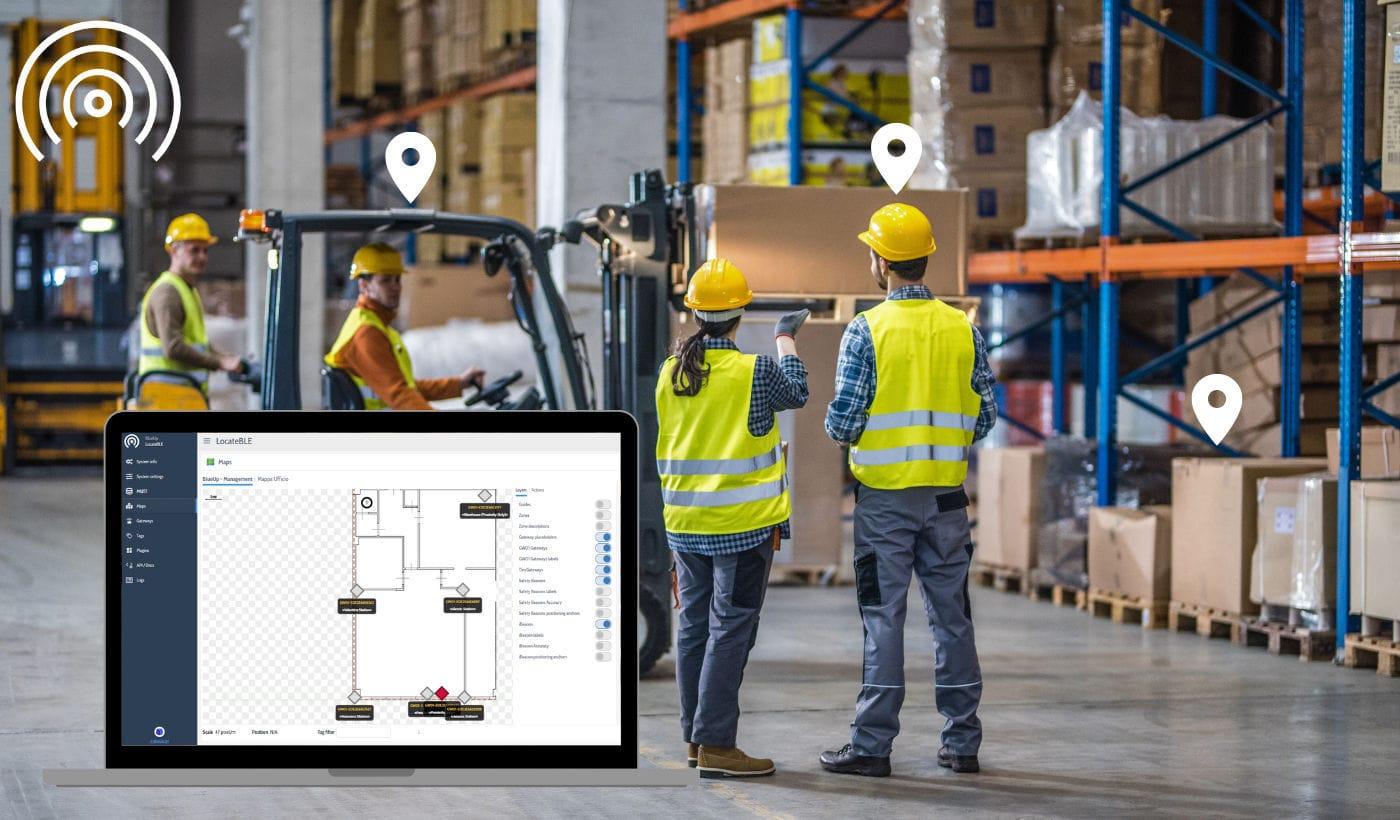
A typical BLE-based asset tracking system includes four main components.
A BLE tag is attached to an asset and periodically transmits a wireless signal containing an identifier.
The tag can be designed for low-power operation, making it suitable for many indoor tracking applications.
Readers detect BLE signals from nearby tags.
Their placement across different areas allows the system to identify which assets are detected in particular zones.
The platform receives detection data, associates device identifiers with registered assets, and processes information based on configured rules.
Users can access asset information through a web or mobile application.
Depending on the implementation, the dashboard may display the last detected area, asset status, movement history, and other operational information.
Improved Asset Visibility
Organizations can obtain better information about where assets were last detected.
Reduced Search Time
Employees can use asset information to locate equipment more efficiently.
Better Inventory Management
Tracking data can support inventory verification and asset management processes.
Operational Insights
Historical detection data can help organizations understand asset utilization and movement patterns.
Centralized Monitoring
Multiple operational areas can be monitored through one platform.
Monitor pallets, containers, tools, and reusable equipment.
Track production equipment, tools, and operational assets.
Improve the visibility of medical equipment and shared hospital assets.
Monitor reusable transport items and assets moving through operational facilities.
Help manage office equipment and shared resources.
BLE and GPS serve different purposes.
BLE-based indoor tracking commonly relies on nearby readers, gateways, zones, or positioning algorithms to estimate an asset's presence or location.
GPS tracking uses satellite positioning and is generally more suitable for outdoor location applications when the device has the required GPS hardware and connectivity.
BLE tags do not automatically provide GPS coordinates. The appropriate technology depends on the environment, accuracy requirements, power consumption, and deployment cost.
Before implementation, evaluate:
The number and type of assets.
Indoor or outdoor operating environments.
Required location accuracy.
Reader and gateway placement.
Battery life and device maintenance.
Integration with existing inventory systems.
Data security and scalability.
A site survey and proof of concept can help determine the most suitable architecture.
IoT Asset Tracking helps businesses improve asset visibility and reduce the limitations of manual tracking processes.
By combining BLE tags, readers, gateways, and monitoring software, organizations can build a connected asset management system that supports more efficient operations.
Need an asset tracking solution for your business?
Explore Cubeacon's IoT solutions at https://cubeacon.com.
Learn how IoT technologies help building operators monitor facilities, automate selected systems, optimize energy usage, and impro...
Read moreDiscover how the Internet of Things (IoT) connects physical devices, collects data, and enables smarter operations. Explore its ar...
Read moreLearn how BLE wearable devices, smartphone monitoring, proximity alerts, and cloud connectivity can help travel organizers coordin...
Read moreTell us what you need. Our team will contact you within one business day with a personalized demo or quote.