What Is IoT? Definition, How It Works, Benefits, and Real-World Applications
Discover how the Internet of Things (IoT) connects physical devices, collects data, and enables smarter operations. Explore its ar...
Read more
Smart Building with IoT: How IoT Improves Efficiency, Safety, and Comfort
Buildings are becoming smarter as organizations look for better ways to manage energy, facilities, security, and workplace experiences.
A Smart Building uses connected devices, sensors, software, and automation to collect operational data and help building operators make informed decisions.
By adopting Internet of Things (IoT) technology, businesses can improve facility visibility and automate selected building operations.
A Smart Building is a facility that uses connected technologies to monitor and manage building systems.
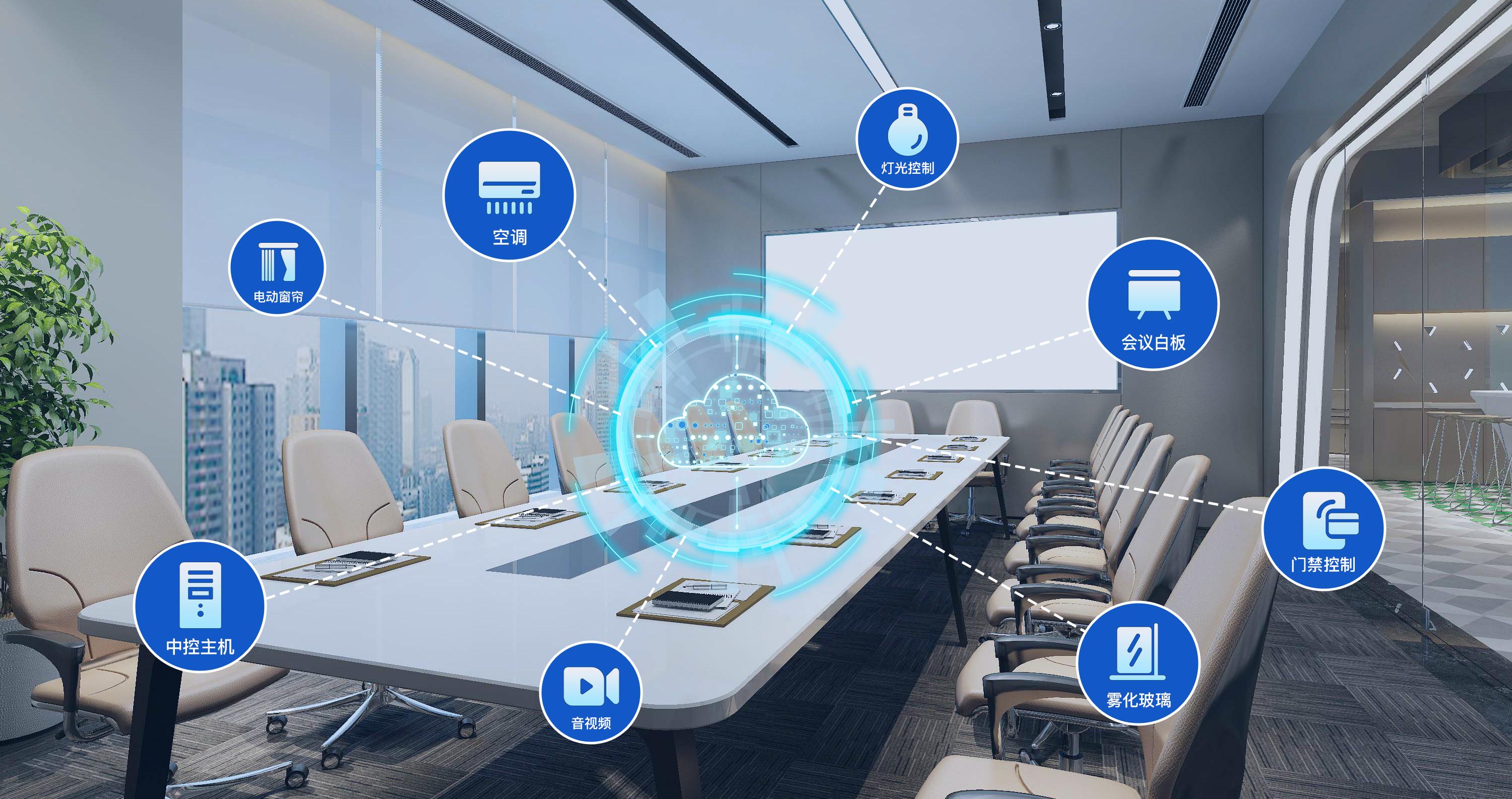
These systems may include:
Lighting and electrical equipment.
Heating, ventilation, and air conditioning (HVAC).
Access control and security.
Meeting room management.
Environmental monitoring.
Energy consumption monitoring.
The objective is to make building operations more efficient, measurable, and responsive.
A typical smart building architecture includes several components.
1. Sensors and Connected Devices
Sensors collect information such as temperature, humidity, motion, equipment status, or environmental conditions.
2. Connectivity
Devices communicate through technologies such as BLE, Wi-Fi, Ethernet, or other suitable networks.
3. Gateway and IoT Platform
Gateways collect device data and forward it to a platform where the information can be processed.
4. Automation Rules
The platform evaluates data against configured business rules and operating conditions.
5. Building Management Applications
Operators can view dashboards, monitor conditions, and manage integrated systems.
One practical smart building application is meeting room automation.
In a conventional office, lights and air conditioning may remain active after a meeting has ended.
An IoT-based solution can use sensor information, BLE signals, room booking data, or other inputs to determine room usage.
For example:
The system collects information from devices in a meeting room.
The platform evaluates the information using configured rules.
The room status is updated.
If the room is confirmed empty, the system can send a command to selected connected devices.
Lighting or other equipment can be switched off according to facility policies.
BLE Beacon technology can contribute proximity information, but a beacon does not directly detect people. Reliable occupancy decisions may require additional sensors and validation.
Monitoring and automation can help reduce unnecessary energy consumption.
Building operators can access information about connected equipment and facility conditions.
Automation can reduce repetitive tasks and help facility teams respond to operational events.
Smart room management and environmental monitoring can support a more comfortable working environment.
Historical data can help identify usage patterns and opportunities for improvement.
A successful smart building project should consider:
Existing building infrastructure.
Device compatibility.
Network coverage.
Integration with building management systems.
Cybersecurity and access control.
Data privacy.
Maintenance and scalability.
A pilot deployment can help validate the technology before expanding to an entire facility.
Smart Building technology combines IoT devices, connectivity, software, and automation to improve the way facilities are managed.
Whether the goal is energy optimization, meeting room automation, or centralized facility monitoring, the right IoT architecture can help organizations build more efficient and connected workplaces.
Planning a Smart Building project?
Discover IoT and BLE solutions from Cubeacon at https://cubeacon.com.
Discover how the Internet of Things (IoT) connects physical devices, collects data, and enables smarter operations. Explore its ar...
Read moreLearn how BLE wearable devices, smartphone monitoring, proximity alerts, and cloud connectivity can help travel organizers coordin...
Read moreExplore how IoT asset tracking helps businesses monitor asset presence, movement, and status using connected tags, readers, gatewa...
Read moreTell us what you need. Our team will contact you within one business day with a personalized demo or quote.