Smart Building with IoT: How IoT Improves Efficiency, Safety, and Comfort
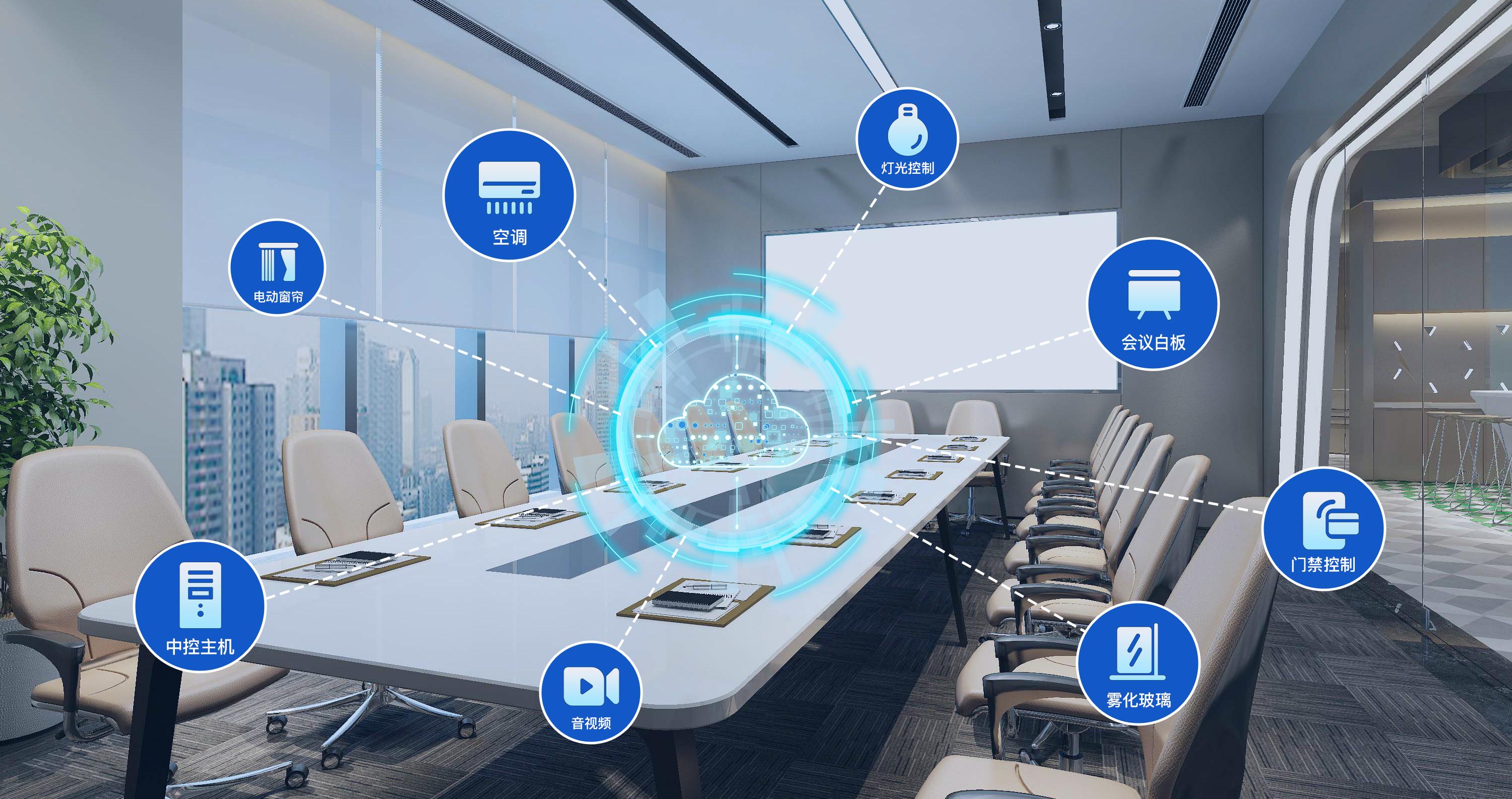
Learn how IoT technologies help building operators monitor facilities, automate selected systems, optimize energy usage, and impro...
Read more
What Is IoT? Definition, How It Works, Benefits, and Real-World Applications
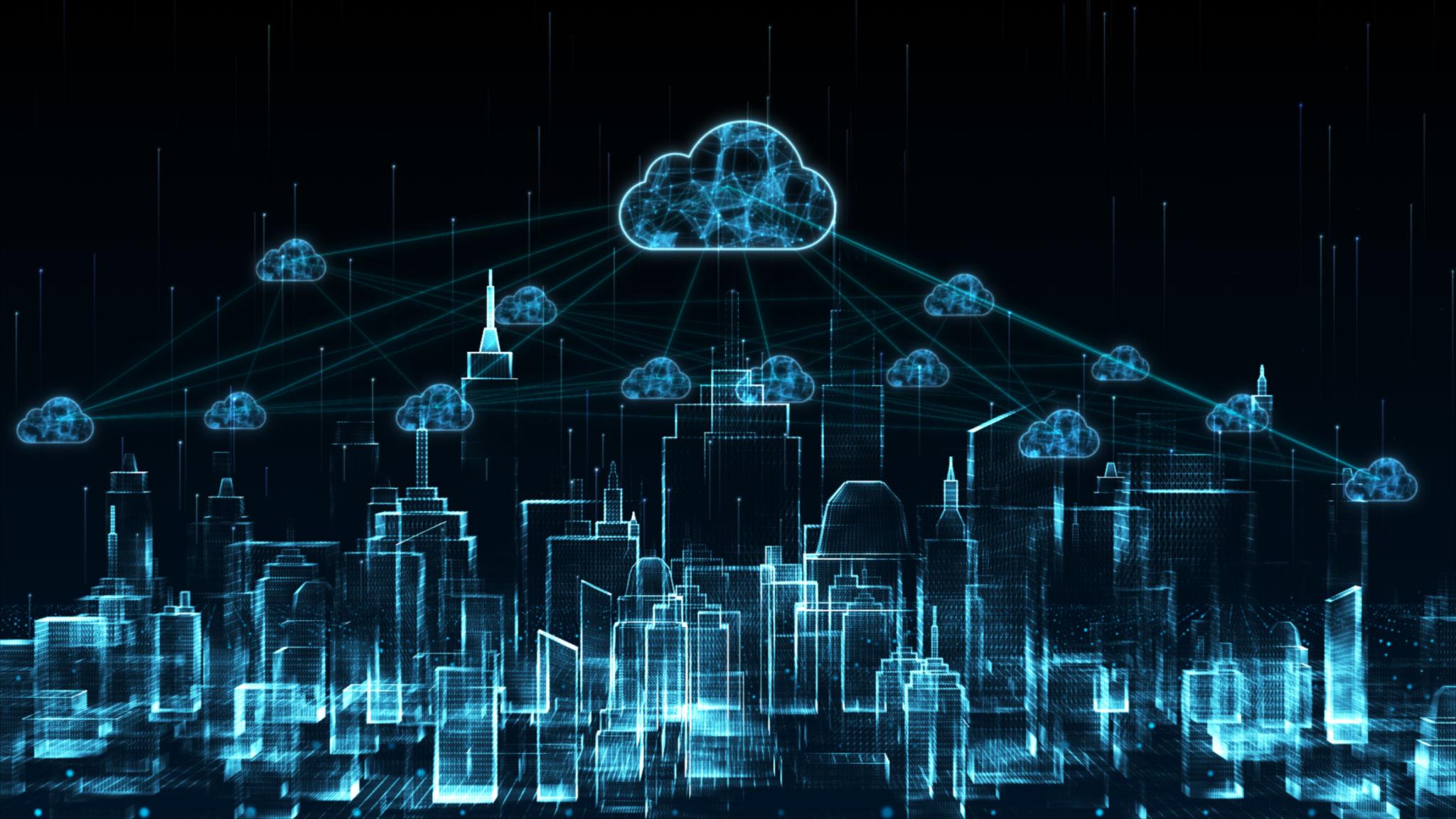
The Internet of Things (IoT) is changing how businesses monitor assets, manage facilities, and operate their day-to-day activities. By connecting physical devices to digital systems, organizations can collect valuable data, automate processes, and make more informed decisions.
But what exactly is IoT, and how does it work?
The Internet of Things (IoT) refers to a network of physical devices equipped with sensors, software, and connectivity that allow them to collect and exchange data.
These devices can include sensors, smart meters, tracking tags, industrial equipment, gateways, and connected appliances.
Unlike traditional equipment that operates independently, IoT-enabled devices can communicate with platforms and applications to provide information about their environment or operational status.
A typical IoT system consists of several connected components:
1. Devices and Sensors
Sensors collect information such as temperature, humidity, motion, location-related signals, or equipment status.
2. Connectivity
Devices transmit data using communication technologies such as Bluetooth Low Energy (BLE), Wi-Fi, LoRaWAN, Ethernet, or cellular networks.
3. Gateways and Network Infrastructure
Gateways collect data from connected devices and forward it to an IoT platform or cloud environment.
4. IoT Platform and Cloud
The platform processes, stores, and organizes incoming data. Business rules and analytics can turn raw information into useful operational insights.
5. Applications and Automation
Users access information through dashboards, mobile applications, or integrated business systems. Automation rules can also trigger actions based on predefined conditions.
IoT can deliver several operational benefits:
Improved visibility: Monitor assets, facilities, and equipment.
Operational efficiency: Reduce repetitive manual processes.
Data-driven decisions: Use collected information to understand operational patterns.
Automation: Trigger actions based on sensor data and configured rules.
Resource optimization: Identify opportunities to improve energy and asset utilization.
The actual benefits depend on the business problem, system design, and quality of implementation.
IoT sensors and connected systems can help manage lighting, air conditioning, room occupancy indicators, and facility conditions.
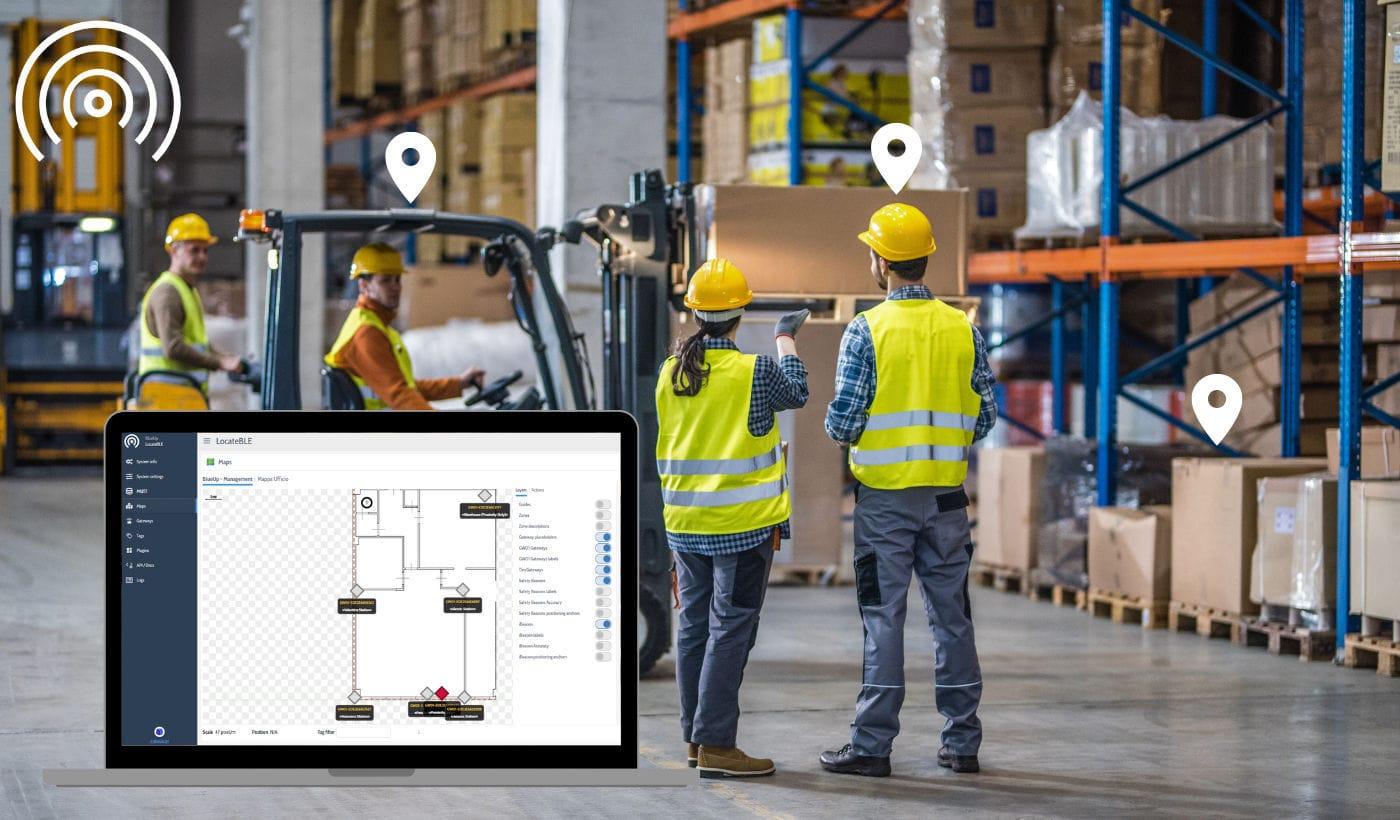
BLE tags, readers, and gateways can help organizations monitor the presence and movement of assets across warehouses and facilities.
Connected sensors can collect equipment and environmental data to support maintenance planning and operational monitoring.
IoT solutions can support equipment visibility, environmental monitoring, and facility operations.
Connected devices can provide information about asset movement, storage conditions, and operational processes.
Choosing the right connectivity technology is essential for a successful IoT deployment.
Bluetooth Low Energy (BLE): Suitable for low-power devices, proximity detection, and indoor applications.
Wi-Fi: Useful for devices requiring local network connectivity and higher data throughput.
LoRaWAN: Designed for long-range communication with relatively low data requirements.
Cellular: Suitable for devices that need connectivity through mobile operator networks.
Each technology has different strengths, limitations, costs, and deployment requirements.
Before starting an IoT project, organizations should identify their business objectives, device requirements, connectivity needs, data architecture, security requirements, and integration plans.
A proof of concept (PoC) is also recommended to validate system performance in the actual operating environment before expanding deployment.
IoT is more than connecting devices to the internet. Its real value comes from transforming physical-world data into actionable information that helps businesses operate more efficiently.
With the right combination of devices, connectivity, platforms, and applications, IoT can support digital transformation across many industries.
Looking to develop an IoT solution for your business?
Explore Cubeacon's IoT technologies and solutions at https://cubeacon.com.
Learn how IoT technologies help building operators monitor facilities, automate selected systems, optimize energy usage, and impro...
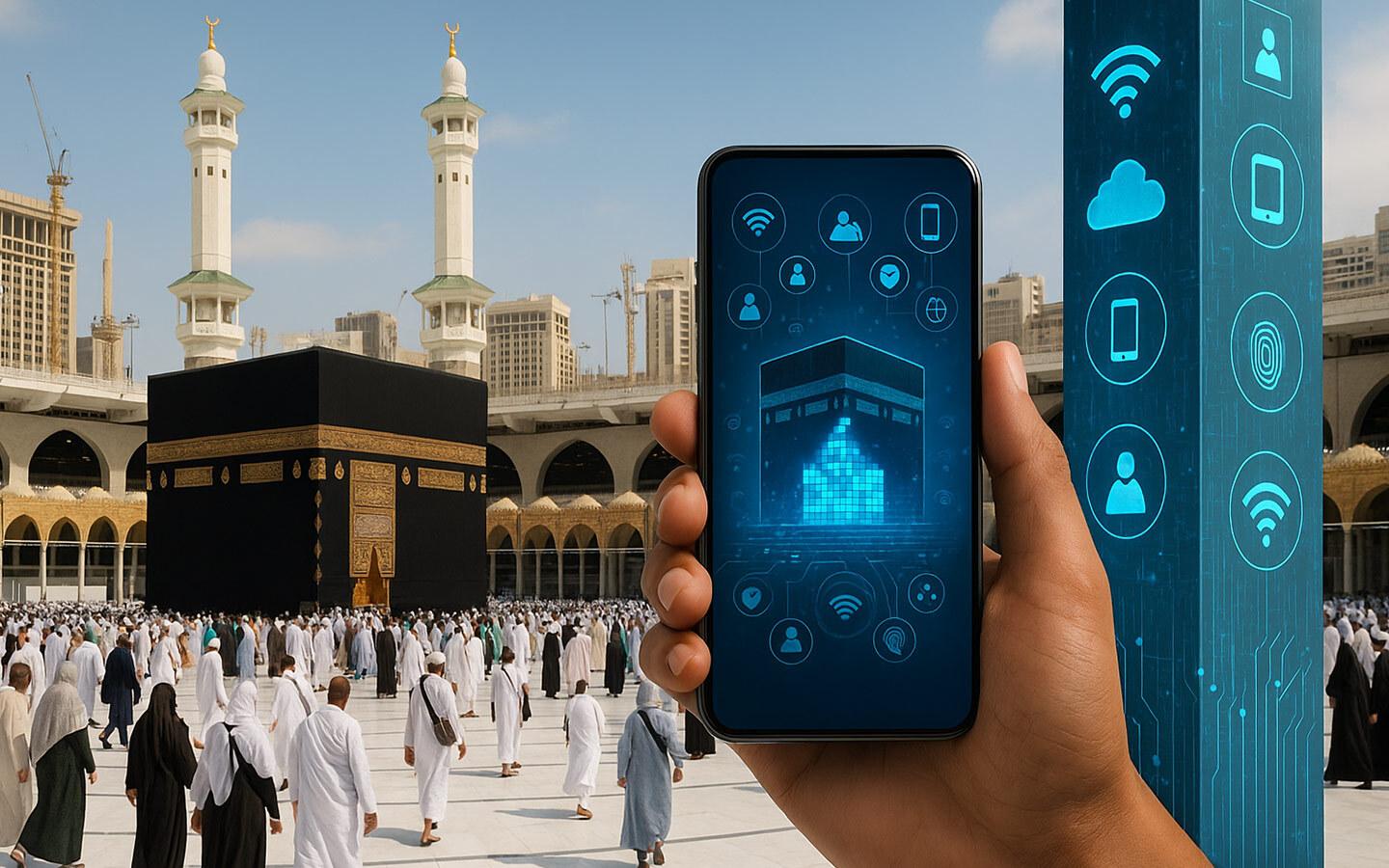
Read moreLearn how BLE wearable devices, smartphone monitoring, proximity alerts, and cloud connectivity can help travel organizers coordin...
Read moreExplore how IoT asset tracking helps businesses monitor asset presence, movement, and status using connected tags, readers, gatewa...
Read moreTell us what you need. Our team will contact you within one business day with a personalized demo or quote.